Common Dental Veneer Myths, Debunked
Dental veneers can deliver natural beauty, strong function, and reliable longevity when a patient trusts a trained general dentist. Do not let myths get in the way of your dream smile. Learning the facts about veneers can help address your fears and doubts, so you can explore your options with greater confidence.
Understanding what dental veneers really do
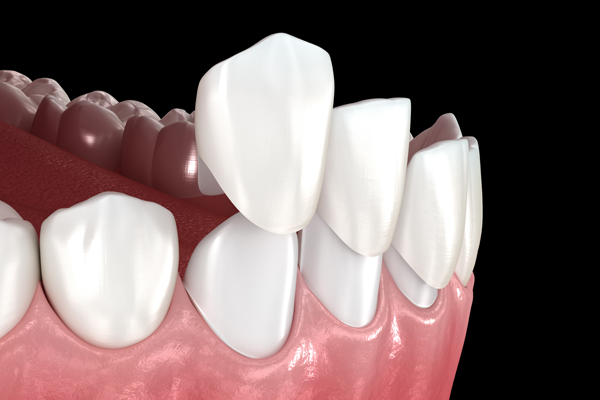
Dental veneers cover the front surface of teeth to improve the color, shape, length, and symmetry of the whole smile. A general dentist uses high-quality ceramics when crafting veneers to mimic natural enamel with lifelike translucency and light reflection. They also tailor each veneer to lip line, gum contour, and facial proportions so the result supports speech and chewing. As a result, veneers can successfully blend into surrounding teeth rather than sitting on top of them.
Common myths, debunked: The facts about dental veneers
Dental veneers are common, but unfortunately, that means so are poorly done veneers. This has led to many myths and misconceptions about them. Visiting a trained dentist for quality veneers makes for the best results, helping patients avoid issues associated with poorly done work. Below, learn fact from fiction about dental veneers.
Myth: Veneers always look weird and fake
Skilled dental design avoids the flat, opaque look associated with poorly executed veneers. General dentists map brightness from the neck of the tooth to the edge, add gentle surface texture, and include subtle translucency at the incisal edge. These elements copy the way real enamel bends and reflects light for a believable, refreshed appearance.
Myth: A dentist must grind your teeth down to pegs
Contrary to common misconception, dental veneers do not require natural teeth to be shaved into pegs. Rather, only a minimal amount of the enamel will need to be removed. Many cases require only a tiny amount of enamel to be reshaped, removing a sliver about as thin as a contact lens. Moreover, some patients qualify for minimal-prep or no-prep veneers when alignment and thickness allow it. These options require even less alteration to the tooth.
Myth: Veneers ruin teeth or cause cavities
This is simply not the case. Tooth decay risk depends on oral hygiene, lifestyle, and diet, not the presence of dental veneers. Patients who brush with fluoride toothpaste, clean between their teeth daily, and limit frequent sugar exposure protect both their veneers and their natural tooth structure.
Myth: Veneers break or fall off easily
Dental veneers can last up to 10 to 15 years and are durable enough to withstand everyday chewing. Like natural teeth, they may break or chip due to dental trauma or teeth grinding. For the latter, dentists often recommend a night guard to protect the veneers, teeth, and even the gums.
Myth: Only celebrities can get veneers
Dental veneers address everyday concerns such as small chips, stubborn stains, worn edges, and minor spacing. These cosmetic concerns are not exclusive to celebrities; anyone with overall good oral health and hygiene may qualify for veneers. Many dentists scale treatment plans to patient goals and budgets.
Myth: Veneers stain easily
Traditional dental veneers consist of porcelain, which resists staining better than natural enamel. That said, improper care can roughen the surface of veneers and cause them to stain more easily than expected. To avoid this, brush the veneers gently, with nonabrasive toothpaste and a soft brush. Visit the general dentist for regular cleanings and polishings, as well.
Are you a good candidate for dental veneers?
Dental veneers work best when several front teeth share similar cosmetic issues. Common examples include stains that do not respond to teeth whitening, uneven lengths from wear, and small triangular gaps near the gums. A good candidate may also want to refresh bonded teeth that are stained or chipped. A general dentist can discuss if and where in a smile veneers would make the biggest difference during an appointment.
That said, not every smile needs dental veneers. Improved oral hygiene may be enough to brighten the smile, especially with recommendations from a dentist. For those with minor smile damage, cosmetic bonding can often fix tiny chips or close small gaps at a lower cost and in less time. A full exam by a dentist is the only real way to tell if one is a good candidate for veneers or if another treatment would be a better option.
Contact us for more information about dental veneers
Interested in dental veneers now that you know the facts? For a personalized assessment, shade preview, and a clear step-by-step plan, schedule a consultation with Fort Pierce Smiles today. We can discuss your smile goals, helping you leave with a blueprint that turns today’s questions into tomorrow’s confident smile.
Request an appointment here: https://www.ftpiercedentist.com or call Fort Pierce Smiles at (772) 232-7073 for an appointment in our Fort Pierce office.
Check out what others are saying about our dental services on Yelp: Dental Veneers and Dental Laminates in Fort Pierce, FL.
Related Posts
Many people feel self-conscious about cosmetic issues in their smile and want a straightforward fix. Fortunately, dental veneers provide an effective way to fix chipped, stained, or uneven teeth, allowing you to achieve a bright smile that boosts your confidence. When you understand how the treatment process works, it is much easier to decide whether…
A cosmetic dentist is often associated with improving the appearance of the smile, but many treatments also offer important functional and health-related benefits. While patients may seek care for whiter, straighter, or more uniform teeth, cosmetic dentistry can contribute to long-term oral health, structural integrity, and overall confidence. Understanding the full value of cosmetic dental…
Cosmetic dentists provide a wide range of procedures designed to improve the appearance of the teeth and surrounding structures. Many individuals seeking a brighter, straighter, or more youthful smile often turn to cosmetic dentistry to achieve their desired results. However, the lifespan of cosmetic dental treatments depends on several factors, including the type of procedure,…
Professional teeth whitening offers a fast and effective way to enhance the appearance of the smile. While over-the-counter (OTC) products may offer mild improvements, cosmetic dentists use clinical-strength whitening agents and controlled application techniques to deliver consistent, noticeable results. Exploring the benefits of professional whitening from a dentist over OTC options can help you determine…