TMJ Treatment Options: How Dentists Address Jaw Pain and Clicking
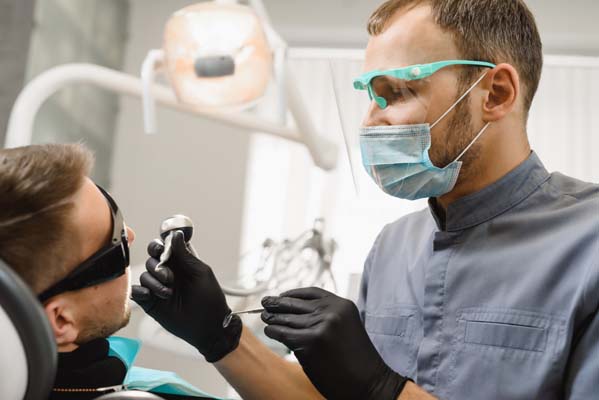
TMJ treatment can ease jaw pain, clicking, and stiffness. The jaw joints and the muscles around them work hard every day to support speaking, chewing, and yawning. When these joints become unbalanced, patients may notice soreness, popping sounds, headaches, or even a feeling that the jaw locks or shifts. A dentist evaluates these symptoms, looks for patterns in bite and muscle function, and then designs a TMJ treatment plan that aims to reduce strain and tooth damage, as well as improve daily comfort.
Understanding TMJ problems
A temporomandibular joint, or TMJ, sits on each side of the head, connecting the lower jaw to the skull. These joints move in several directions and rely on healthy muscles, ligaments, and cartilage to glide smoothly. When stress, jaw clenching, dental trauma, arthritis, or bite imbalance affects this system, the joints and muscles can become irritated.
Common TMJ-related problems include jaw tenderness, clicking or popping when opening and closing the mouth, headaches near the temples, and pain that travels into the neck or shoulders. Some patients also notice ear fullness or ringing because the joints sit close to the ear canal; it may even feel like an ear infection.
A healthcare provider can rule out ear infection and other potential issues. The provider or a dentist may then evaluate the patient for a TMJ disorder. This diagnostic process involves symptom evaluation and a thorough exam, which may include palpation of the muscles, measurement of jaw opening, bite analysis, and imaging when needed. TMJ treatment always begins with a clear understanding of the source and severity of the problem.
How dentists address jaw pain and clicking
There are many ways to manage TMJ disorder or related problems. Common TMJ treatments from a dentist include:
Oral appliances and night guards
For many patients, clenching or grinding teeth during sleep places constant pressure on the jaw joints and muscles. In these cases, an oral appliance, such as a night guard, becomes a key part of TMJ treatment. The dentist designs a custom appliance that fits over the upper or lower teeth and creates a more stable relationship between the jaw and the joint. This can reduce muscle overactivity, protect teeth from wear, and help distribute forces more evenly. Some devices go so far as to reposition the jaw slightly to place the joint in a healthier alignment, while others focus mainly on cushioning and protection.
Note that a custom-made appliance from a dentist generally fits more comfortably and works more effectively than generic boil-and-bite or one-size-fits-all versions. They also consist of professional-grade materials. Not only do they last longer, but many find that the investment pays off and is cheaper than generic options over time.
Bite evaluation and occlusal adjustments
The bite itself can sometimes contribute to TMJ stress. Teeth that meet unevenly can cause the jaw to slide into positions that strain the joints and muscles. A dentist may perform a detailed bite analysis to see how upper and lower teeth meet during closing, chewing, and side movements.
When a significant imbalance appears, minor adjustments to the biting surfaces of certain teeth may help. This process, often called occlusal adjustment, reshapes selected areas to create smoother, more coordinated contact. In more complex cases, dental crowns, bridges, or orthodontic care may be a component of the TMJ treatment plan to harmonize the bite and joint function.
Lifestyle changes
Many TMJ problems respond well to small changes in daily habits. A dentist often starts TMJ treatment with strategies that reduce strain on the joints and muscles. Soft diets, where patients choose foods that require less forceful chewing, can give the jaw time to rest. Avoiding very chewy or hard foods, such as tough meats, crusty bread, and ice, also reduces mechanical stress.
In addition, jaw-relaxation habits can make a significant difference. Patients benefit from keeping the teeth slightly apart when not eating, allowing the lips to close while the jaw rests in a relaxed position. This simple habit helps reduce clenching and uncomfortable symptoms.
Advanced options for complex cases
Most TMJ problems improve with conservative measures, appliances, and lifestyle changes. However, a small number of cases involve significant joint damage, severe arthritis, or structural abnormalities that limit jaw function. A dentist may refer these patients to an oral and maxillofacial specialist for further evaluation and advanced treatments. Examples of advanced TMJ treatments include injections, minimally invasive procedures, or, in rare cases, joint surgery.
Find relief from jaw pain
TMJ treatment offers many paths toward relief. It can address jaw pain, clicking, and stiffness — all without surgery for most patients. A dentist begins with careful diagnosis, then develops a plan to reduce strain on the joints and muscles. If necessary, they can also refer the patient to other specialists for advanced treatments. To learn more, book an appointment with our Fort Pierce office today.
Request an appointment here: https://www.ftpiercedentist.com or call Fort Pierce Smiles at (772) 232-7073 for an appointment in our Fort Pierce office.
Check out what others are saying about our dental services on Yelp: TMJ Dentist in Fort Pierce, FL.
Related Posts
TMJ treatment can reduce jaw pain, clicking, and tight facial muscles by addressing the habits, inflammation, and joint mechanics that drive discomfort. Many cases improve with conservative care that supports healthier jaw movement and lowers strain on the temporomandibular joints, while others may require professional care from a general dentist. Regardless, early intervention helps prevent…
TMJ treatment is an important service general dentists offer for patients experiencing pain or discomfort in their temporomandibular joint (TMJ), which connects the jawbone to the skull. TMJ disorders can cause a variety of symptoms, including jaw pain, headaches, and difficulty with chewing or speaking. Since the symptoms can affect daily activities, it is crucial…
There are many benefits to choosing clear aligners for your orthodontic treatment. But it is crucial to take proper care of them to avoid a wide range of problems. Clear aligners are ideal for individuals who want a discreet way to straighten their teeth. The aligners are also removable, which is convenient when it comes…
A confident smile begins with healthy, aesthetically pleasing teeth. For those experiencing issues such as gaps, chips, or uneven teeth, a cosmetic dentist can provide solutions to restore both appearance and function. Cosmetic dentistry offers a variety of minimally invasive procedures to correct aesthetic concerns and improve your overall oral health.Gaps between teeth, also known…