All-On-4 Dental Implants: Candidacy, Costs, and Recovery Timeline
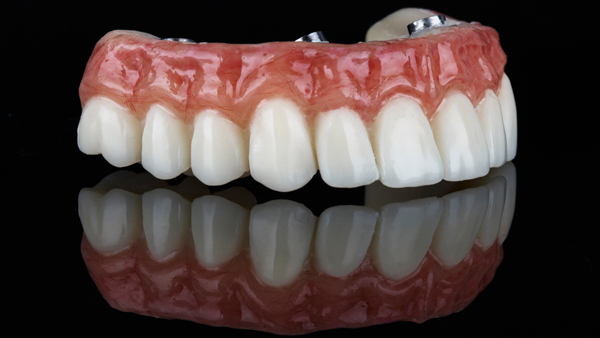
All-On-4® dental implants provide a comprehensive way to replace a full set of teeth using a fixed bridge that stays securely in the mouth at all times. This method serves as a permanent alternative to traditional removable dentures. Understanding the criteria for candidacy, the factors influencing the total investment, and the stages of the healing process allows a patient to approach the journey with complete clarity.
Determining candidacy for all-on-4 dental implants
The transition to a permanent, fixed smile requires a healthy environment to ensure the titanium posts fuse correctly with the body. The dentist evaluates the current state of the gums, the density of the jawbone, and the presence of any underlying health issues that might hinder the recovery process. While many people believe that significant bone loss automatically prevents them from receiving traditional implants, this specific method utilizes tilted posterior posts to maximize the use of available bone.
Systemic health also plays a vital role in the success of the procedure and the long-term health of the smile. Chronic conditions such as uncontrolled diabetes or certain autoimmune disorders can slow down the body's ability to heal after the initial surgery. Smoking is another significant factor to consider, as nicotine restricts blood flow to the gums and bone, which creates a higher risk for complications. A consultation ensures that all health variables remain under control before the surgical phase begins, giving the all-on-4 dental implants the best possible start in a healthy mouth.
Navigating the costs of a new smile
When estimating the total investment for all-on-4 dental implants, several factors beyond the surgical fee itself come into play. The complexity of the case, such as the need to remove remaining teeth or the use of specific sedation methods, influences the final balance of the treatment plan. Further, the materials selected for the final bridge—ranging from high-quality acrylic to durable, life-like zirconia—affect both the aesthetic result and the long-term durability of the teeth. It is helpful to view this treatment as a long-term investment in wellness rather than a one-time expense, as it helps preserve the facial structure over time.
A general dentist provides a detailed breakdown of these variables during the planning phase to ensure transparency. Many practices offer financing options to make this treatment more accessible to a wider range of people. While the upfront cost is higher than that of traditional removable options, the absence of recurring costs for adhesives and relines makes it a cost-effective choice over several decades.
The recovery timeline and healing process
While the recovery requires patience, many patients find the initial healing phase surprisingly manageable. The first few days typically involve mild swelling and minor tenderness, which remain manageable with prescription or over-the-counter (OTC) relief. A soft-food diet is essential during this time to prevent excessive pressure on the new posts as the gum tissue begins to close and heal. Most patients return to work and light activities within a few days, though the internal process continues for several months behind the scenes.
The most critical phase of the timeline is osseointegration, where the jawbone physically grows around and bonds to the titanium anchors. This biological union creates the "root" system that provides the foundation for the final restoration with immense strength. This phase usually spans three to six months, during which the patient wears a temporary, functional bridge to maintain their appearance. Rushing this process can jeopardize the fixation of the implants, so following the guidelines regarding hygiene and diet is paramount for a successful outcome.
Long-term maintenance for a lasting result
Once the bone fully fuses with the titanium, the dentist secures the final, permanent bridge to the anchors. At this stage, the patient enjoys the full strength of their bite and the beauty of a customized, radiant smile. Maintenance requires the same diligence as natural teeth, including daily brushing and the use of specialized tools to clean beneath the bridge. Regular professional cleanings allow the dental team to inspect the health of the gums and the integrity of the hardware for years to come.
Consistency in home care prevents a condition known as peri-implantitis, which is an inflammatory response that can lead to bone loss around the implants. Even though the replacement teeth cannot develop cavities, the surrounding tissues remain susceptible to bacteria and plaque buildup. Proper hygiene ensures that the investment remains functional for a lifetime without the need for additional surgeries. With the right care, this restoration serves as a permanent solution that looks and feels like a natural part of the body.
Schedule a consultation
All-on-4 dental implants offer a transformative path for those seeking to restore their oral health and smile aesthetics. By understanding the criteria for candidacy and the various stages of the healing process, patients can navigate the journey with realistic expectations and peace of mind. To review this information in more detail, contact Fort Pierce Smiles to schedule a consultation.
Request an appointment here: https://www.ftpiercedentist.com or call Fort Pierce Smiles at (772) 232-7073 for an appointment in our Fort Pierce office.
Check out what others are saying about our dental services on Yelp: All-on-4 Dental Implants in Fort Pierce, FL.
Related Posts
All-on-4® is a proven solution for missing teeth. Not only is it minimally invasive, but it is a popular alternative to traditional implants that many people seem to prefer. Whether someone has a few missing teeth or requires a whole new set, this is an option that could work for them. This approach requires titanium posts…
Both traditional crowns and implant crowns can restore the look and function of a smile, but they serve different purposes. A traditional crown protects and strengthens a natural tooth, while an implant crown replaces the visible portion of a missing tooth. A dentist helps patients understand these differences so they can see why they may…
Dental implants can restore missing teeth with a stable, natural-looking solution and are often the recommended choice when early warning signs appear in the mouth. Many people assume tooth replacement can wait, especially when only one tooth is missing or when discomfort seems mild. However, delays can allow shifting, bone loss, and bite changes that…
Dental implants can replace missing teeth, restore chewing strength, and provide support for a natural-looking smile. For optimal results, an endodontist or root canal specialist can carefully plan and place implants. After all, successful treatment outcomes begin with clear education about what to expect at every step, as well as proper care and maintenance afterward.…