Key Differences Between Dentists and Orthodontists
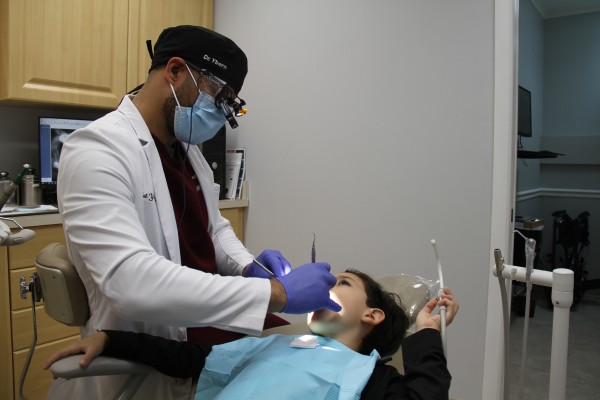
Understanding the key differences between a dentist and an orthodontist can help patients determine which specialist they need for their oral health care. While both professionals focus on maintaining and improving oral health, their roles, training, and areas of expertise differ significantly. A dentist typically handles general dental care, while an orthodontist specializes in diagnosing and treating alignment and bite issues.
Education and training
According to the United States Bureau of Labor Statistics, dentists and orthodontists begin their careers by earning a Doctor of Dental Surgery (DDS) or Doctor of Dental Medicine (DMD) degree. However, after receiving this extensive training, their paths diverge. Dentists complete their education after dental school and can begin practicing general dentistry. Orthodontists, on the other hand, undergo an additional two or three years of specialized training in orthodontics, focusing on the alignment of teeth and jaws.
Scope of dental and orthodontic practice
A dentist focuses on maintaining overall oral health and preventing dental issues for patients of all ages. They diagnose and treat a wide range of conditions affecting the teeth, gums, and supporting structures. Dentists emphasize preventive care, helping patients avoid potential complications through regular checkups and education on proper oral hygiene. They also address existing dental concerns to restore functionality and comfort.
Orthodontists, however, focus exclusively on correcting misalignments in the jaw and teeth. Common misalignments include overbites, crossbites, underbites, crowding, and diastema. Further, orthodontics concentrates on structural alignments, which means treatment times can last months to years.
When dentists and orthodontists collaborate
While dentists and orthodontists have distinct roles, they often work together to provide comprehensive patient care. Dentists may refer patients to an orthodontist for alignment issues that require specialized treatment. In contrast, orthodontists ensure that patients continue to receive routine dental care from their general dentist during orthodontic treatment. This collaboration ensures patients maintain good oral health while addressing their specific alignment needs.
Common treatments from a dentist
Since a dentist mainly focuses on maintaining a patient's overall oral health, the treatments can vary in type and extensiveness. Common treatments from a dentist can include:
- Biannual dental checkups
- Broken tooth treatments
- Dental restorations
- Gum health treatments
Further, dentists offer solutions for those with aesthetic concerns to enhance the appearance of a patient's smile, blending functionality with cosmetic improvements.
Common treatments from an orthodontist
Orthodontics treatments are much more limited. Orthodontists often use appliances designed to gradually adjust teeth and jaw alignment, ensuring long-term stability and improved oral health. Common appliances include:
- Braces
- Clear aligners
- Headgear
- Palatal expanders
- Bite plates
These treatments not only enhance the appearance of a smile but also contribute to better chewing, speaking, and overall comfort. Orthodontic care focuses on achieving balance between the teeth and jaw for optimal results.
Call us to schedule a dental appointment
We hope this information has offered enough key differences to help you determine which dental professional you require. However, remember that dentists are often the professionals who point to the need for an orthodontist should you require it. For more information, call our Fort Pierce dental office to request more information or schedule an appointment.
Request an appointment here: https://www.ftpiercedentist.com or call Fort Pierce Smiles at (772) 232-7073 for an appointment in our Fort Pierce office.
Check out what others are saying about our dental services on Yelp: Find a Dentist in Fort Pierce, FL.
Related Posts
There are many benefits to choosing clear aligners for your orthodontic treatment. But it is crucial to take proper care of them to avoid a wide range of problems. Clear aligners are ideal for individuals who want a discreet way to straighten their teeth. The aligners are also removable, which is convenient when it comes…
A confident smile begins with healthy, aesthetically pleasing teeth. For those experiencing issues such as gaps, chips, or uneven teeth, a cosmetic dentist can provide solutions to restore both appearance and function. Cosmetic dentistry offers a variety of minimally invasive procedures to correct aesthetic concerns and improve your overall oral health.Gaps between teeth, also known…
A cosmetic dentist focuses on improving the appearance of the teeth and gums while also maintaining oral health. In some cases, such as teeth straightening, they can even make it easier to maintain the health of the smile. From correcting discoloration to reshaping and aligning teeth, cosmetic dentistry can be subtle or transformative — it…
Clear aligners offer a convenient and effective way to straighten your smile discreetly. Contrary to some beliefs, clear aligners are actually ideal for many people. Patients are usually surprised to hear that they are good candidates for clear aligners. Fortunately, clear aligners are a good solution for individuals with many straightening needs. Read on to…