What to Expect After Implant Restoration
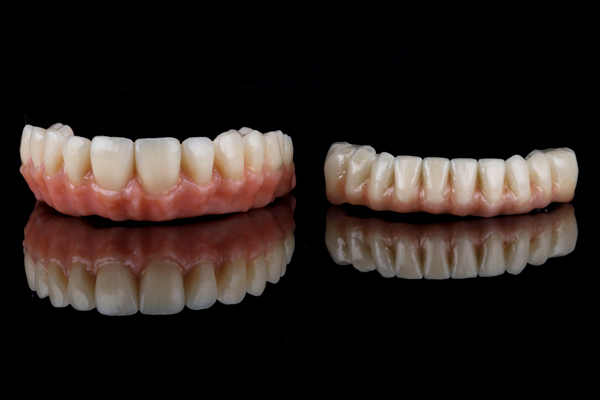
Implant restoration is a transformative dental procedure that restores function, aesthetics, and confidence by replacing missing teeth with durable, natural-looking implants. While the results are long-lasting, understanding the recovery process and proper aftercare is essential to ensure the success of the implant restoration and maintain optimal oral health.
Immediate post-procedure recovery
After the placement of an implant restoration, patients may experience mild discomfort, swelling, or sensitivity in the treated area. These symptoms are normal and typically subside within a few days. Dentists often recommend over-the-counter pain relievers or, in some cases, prescription medications to manage discomfort. Ice packs applied to the outside of the cheek can help reduce swelling.
Patients should avoid chewing on the treated side and follow a soft-food diet for the first few days to prevent undue pressure on the restoration. Hydration is essential, but hot or carbonated beverages should be avoided initially, as they may irritate the surgical site.
Oral hygiene after implant restoration
Maintaining excellent oral hygiene is critical after implant restoration. The patient must keep the implant site clean to promote healing and prevent infections. Dentists often recommend the following practices:
- Antibacterial rinse: A prescribed or recommended antimicrobial mouthwash can help reduce bacteria and support healing.
- Gentle brushing and flossing: Use a soft-bristled toothbrush to clean around the implant restoration. Specialized floss or interdental brushes may be recommended to clean hard-to-reach areas.
- Regular dental checkups: Follow-up appointments are crucial to monitor healing and ensure the restoration integrates properly with the surrounding tissues.
Patients should avoid smoking or using tobacco products, as these can delay healing and increase the risk of implant failure.
Long-term care for implant restorations
Once the initial healing period is complete, patients can resume their normal diet and enjoy the full functionality of their implant restoration. Long-term success depends on maintaining good oral hygiene and protecting the implant from excessive force or trauma.
Some patients may benefit from wearing a custom nightguard if they grind their teeth during sleep. This appliance helps prevent damage to the restoration and the surrounding teeth.
After implant restoration, patients can look forward to a restored smile and improved oral function. With proper care and adherence to post-procedure instructions, implant restorations can provide long-lasting, natural-looking results. Regular dental checkups and good oral hygiene are key to maintaining the health and appearance of the implant.
Complications to watch for
While implant restoration boasts a high success rate, monitoring the area for any signs of complications is essential. Patients should contact their dentist if they notice:
- Persistent pain or swelling that does not improve.
- Increased sensitivity or discomfort when biting or chewing.
- Signs of infection, such as redness or discharge near the implant site.
Early intervention can address issues promptly and protect the integrity of the implant restoration.
Consult a dentist about implant restoration
Patients with questions or concerns about implant restoration should schedule a consultation to receive personalized guidance and support. A healthy, beautiful smile is within reach with this advanced dental solution. For more information, schedule a consultation visit today at Fort Pierce Smiles.
Request an appointment here: https://www.ftpiercedentist.com or call Fort Pierce Smiles at (772) 232-7073 for an appointment in our Fort Pierce office.
Check out what others are saying about our dental services on Yelp: Dental Implant Restoration in Fort Pierce, FL.
Related Posts
Individuals who experience bleeding gums while brushing should not necessarily be overly alarmed, because it could be caused by temporary irritation or using a brush with too-hard bristles. However, when the gums frequently bleed during brushing, it may be a sign of early gum disease, known as gingivitis. Understanding the link between this bleeding and…
Patients who notice their gums bleeding upon brushing, flossing, or even eating may initially panic. However, while bleeding gums often signify the beginnings of gingivitis, this inflammation and the resulting gum disease can be reversed with timely and targeted treatments if it is caught soon enough. It is important to investigate the cause of long-term…
Bleeding gums can be a frustrating and worrying symptom. It can be especially bothersome if it occurs while brushing and flossing. Patients who experience bleeding from the gums should contact a dentist to determine the cause and start treatment.While the sight of blood in the sink can be worrying, having bleeding gums does not have…
Dental emergencies can occur without warning, causing intense discomfort and requiring swift care from a qualified emergency dentist. Being prepared can alleviate anxiety and improve the effectiveness of the dental treatment. Here are 10 detailed steps to handle dental emergencies efficiently and calmly.Before rushing to an emergency dentist, it is essential to assess the severity…